
field stations
small holdings in unordinary places
A field station is not an annex that failed to reach eight works; it is a small holding in an unordinary place — pack ice, a glacier, an island at the top of the map, the far coast of a far island. A station is designated by the committee, not by arithmetic: some hold one work, some will one day hold many, and none will ever be a city. Small holdings in ordinary places are not stations; they are simply held, and are listed as such under their countries. Field stations are administered by the museum's northernmost annex, currently Ny-Ålesund, whose staff of zero attend to them with the diligence that number permits.
chermsideøya field station
80°28′N, 19°55′E · three works · established 28 june 2026
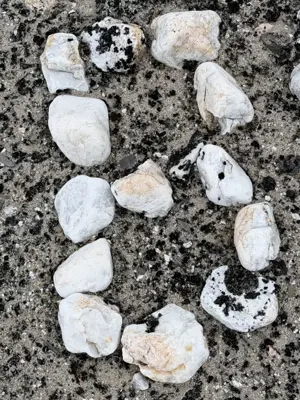
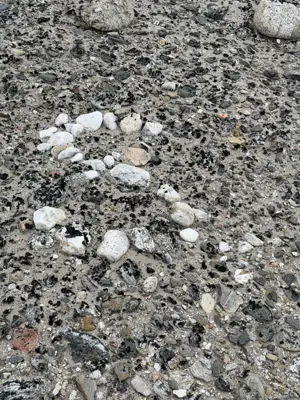
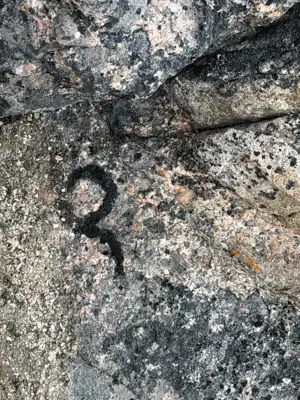
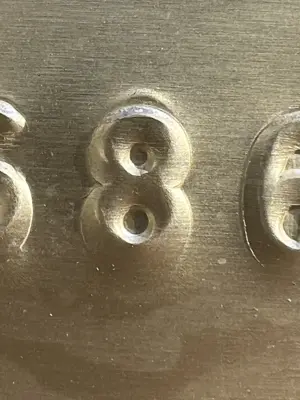
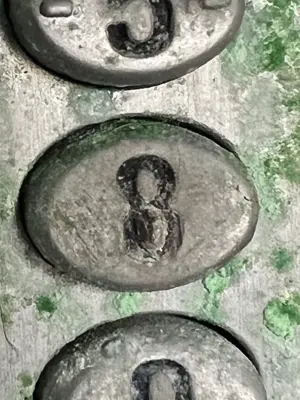
The station oversees two 8s laid in beach stone in 1898, when members of a Swedish Arc-of-Meridian survey wrote their year on the headland and sailed on. The year 1898 contains two 8s; the surveyors, without meaning to, donated a pair. The museum's statutes being narrow, it has accessioned the 8s and left the 1 and the 9 — with the ships' names, the later crews' dates, and the rest of the graffiti beach — in the care of the Governor of Svalbard. The station's third holding is a proto-8 of moss and algae, authored by the island itself and admittedly incomplete; the accession committee, mindful of the latitude and of a growing season measured in weeks, has ruled that nature made a valiant effort and that allowances would be made.
nordenskiöldbreen field station
78°38′N, 17°01′E · one work · established 4 july 2026
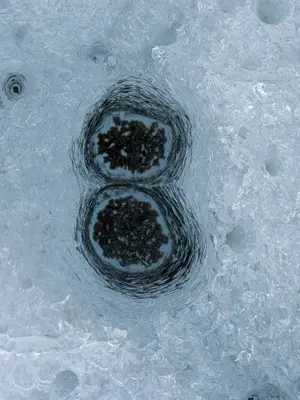
On the tidewater glacier above Billefjorden, the station holds one figure of eight melted into the surface of the ice. The work is of impermanent accession; the museum expects to deaccession it by thaw, and has filed the paperwork in advance.
m/v sea spirit drift station
81°35′N and southward, 26–28°E · seven works · established 30 june 2026, position no longer current
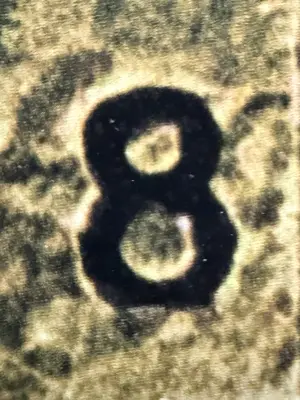
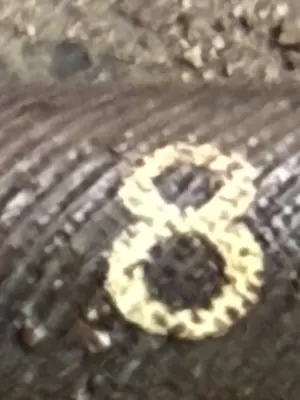
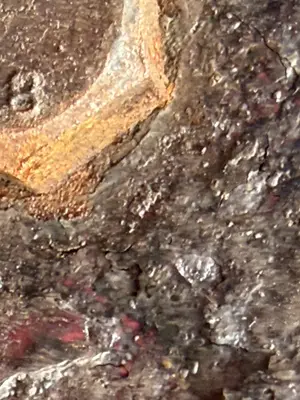
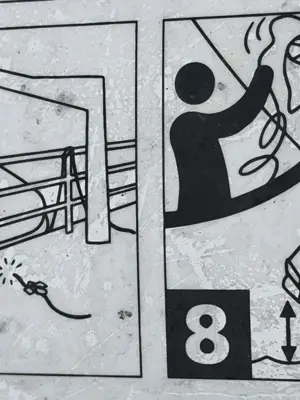
The museum's northernmost holdings of any kind: seven works photographed in the course of a single day in the pack ice north of Nordaustlandet, aboard the M/V Sea Spirit. It is the museum's only field station to hold a maritime registration, and its only premises that steer. The station is one encounter short of an annex, a fact the museum has decided not to dwell on. Its position being a matter of ice, weather, and the vessel's itinerary, accession is considered impermanent, and the coordinates above are offered as a courtesy to historians. The station wishes it further recorded that the works were aboard before the museum was — 8s the ship carried north from Longyearbyen among its fittings and furnishings, which became the northernmost of their kind only because the vessel did. Whether such an 8 is found or brought is a question on which the committees are not of one mind, nor entirely of any; the works stand accessioned at the positions photographed, under reservations entered in the minutes.
hammerfest field station
70°40′N, 23°41′E · six works · established 10 july 2026
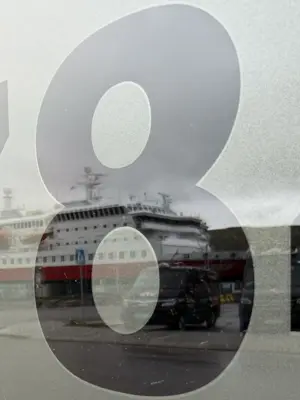
Hammerfest advertises itself as the northernmost town in the world. The museum takes no position on this — its own nomenclature committee has retired from such questions — but notes that the town stands two encounters short of an annex, and that few field stations have shown such promise on a first visit. The file remains open.


tofino field station
49°09′N, 125°55′W · three works · established 13 february 2025, designated 3 september 2026
On the Pacific coast of Vancouver Island, the station holds the museum's westernmost works of any kind: two at Tofino and one at Ucluelet, encountered three days after Gabriola took the title of westernmost annex, and two degrees of longitude beyond it. The register carried the works for nineteen months without anyone consulting the globe. The committee has been informed, has confirmed that Gabriola remains the westernmost annex, and has declined to commission a second globe on the grounds that the first one has now been consulted. Beyond the station lies the open Pacific, which has produced no encounters; the committee has been advised not to say so out loud.
the fontainebleau field station
48°15′N, 2°29′E · one work · established 21 may 2025, elevated august 2026
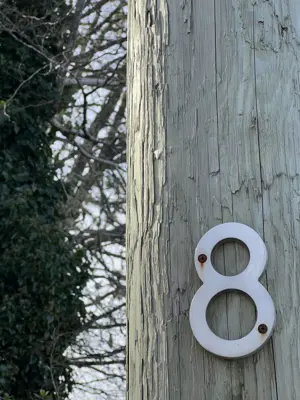
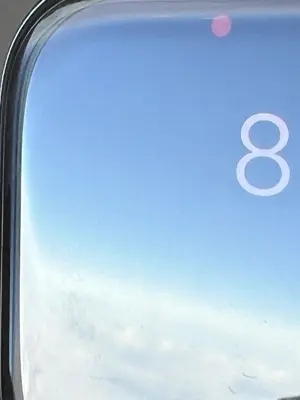
France, which stood on this page for fifteen months on the strength of a single work encountered near Fontainebleau on 21 may 2025, was elevated from it in August 2026 upon the establishment of the Paris Annex; the Fontainebleau Field Station remains in the register, the annex’s elder, exhibited below in full. The museum regarded the long wait not as a deficiency of France but as evidence of how much noticing remained to be done, and notes that it was right. The station’s founding work, the committee has since established, was encountered not in the forest but above it: an 8 found on the practitioner’s own watch, photographed through an aircraft window at some ten kilometres’ altitude, while overflying a business school in the trees below at which the practitioner had studied in 2011–12. The committee has ruled that French airspace is France, that its definitions say nothing about altitude, and that it declines to correct the omission retroactively; the station therefore stands. It wishes it recorded, however, that it regards the submission as being in poor taste — noting, for consistency with the crêpe, that poor taste is not fabrication, and only one of the two is grounds for deaccession. The nostalgia is acknowledged, and was not accessioned.
stations contemplated
the southern continent · no works · not yet established
The museum holds nothing south of Melbourne. It expects this to change, and has asked the committee to describe the expectation as routine. Any holding established in Antarctica will be a field station in the fullest sense the museum recognises — a place it did not expect to reach and cannot expect to revisit — regardless of how many works it comes to hold, since the statutes, which speak of cities, will be no more use there than they were at Kumano. The committee has agreed in advance to find this restful.